Honored to Be Recognized: Reflecting on My Johns Hopkins Carey Feature

Dr Emmanuel Elorm Nortey-Adom • 4 December 2025

I am humbled and grateful to share that the Johns Hopkins Carey Business School recently published a feature story highlighting my selection as a 2025 FortyUnder40 Award honoree. This recognition is deeply meaningful to me, not only as an alumnus of Carey but also as someone committed to advancing healthcare innovation, public health solutions, and equitable access to care across Ghana and beyond.


My Journey: Clinical Medicine, Public Health & Innovation

Before joining Carey for my MPH/MBA, I had spent nearly a decade practising as a physician in Ghana, working closely with patients whose health outcomes were often influenced by systemic barriers. Carey gave me the opportunity to expand my capacity to solve those systemic challenges — equipping me with training in Healthcare, Technology, and Innovation, strategic thinking, and the business acumen needed to scale impactful health solutions.


The Johns Hopkins article captured this pivotal part of my journey and how it continues to shape the work I do today. As a Senior Consultant in Life Sciences, I remain committed to bridging clinical care, data, and innovation to help organizations build more resilient, patient-centered health systems.


Staying Connected to Ghana & Our Shared Mission

Despite the global scope of my work, my passion for improving healthcare in Ghana remains at the core of everything I do. The FortyUnder40 Ghana Award and the Carey spotlight both reaffirm my commitment to strengthening preventive care, chronic-disease management, and community-centered health programs.


A Note of Gratitude

I extend my sincere thanks to the Johns Hopkins Carey Business School for sharing my story, and to every colleague, mentor, patient, and partner who has been part of this ongoing journey.


For those interested in learning more, I encourage you to read the full feature on the Carey website:
👉 Carey alum Emmanuel Elorm Nortey-Adom earns FortyUnder40 award


Thank you for being part of the DNA Plus community as we continue working toward better health outcomes for all.

by Dr Emmanuel Elorm Nortey-Adom 19 November 2025
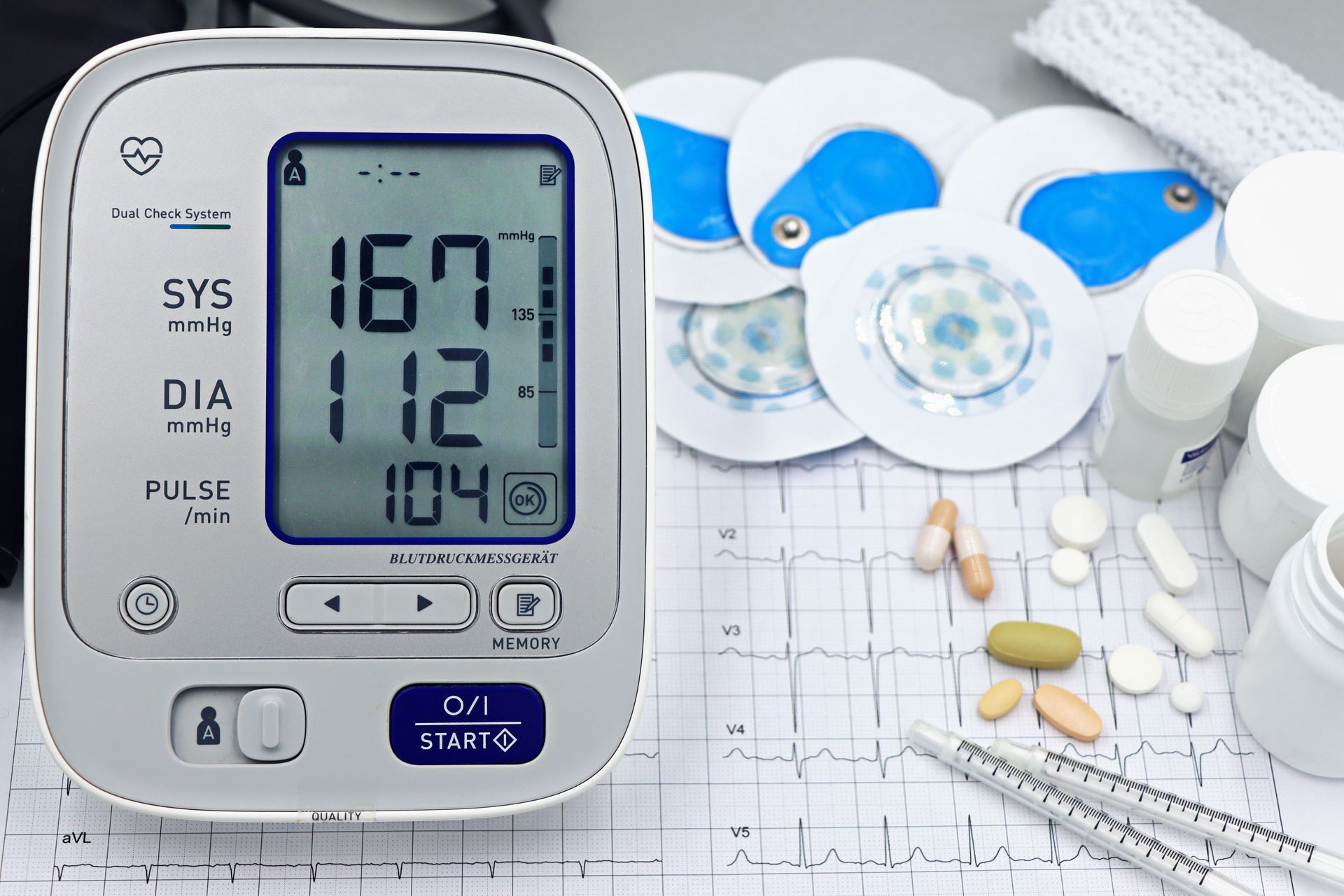
International Men’s Day offers an important opportunity to reflect on men’s health—not just physical wellbeing, but emotional, social, and mental health as well. For too long, men’s health has been shaped by silence, stigma, and social expectations that discourage vulnerability. As a clinician and healthcare consultant, I have seen how these patterns contribute to delayed diagnoses, preventable complications, and avoidable loss of life. This year’s global theme emphasises positive male role models and improving men’s health . To achieve this, we must confront the barriers that keep men from seeking support and redefine what healthy masculinity looks like in our communities. The Hidden Burden of Men’s Health Issues Although men and women face many of the same chronic conditions, men are statistically more likely to: develop heart disease at earlier ages experience severe complications from hypertension and diabetes die by suicide engage in high-risk behaviours avoid preventive screenings These trends are not behavioural flaws—they are symptoms of a broader cultural challenge. Breaking the Barrier of Silence Across many cultures, men are socialised to be “strong,” “self-reliant,” and resistant to seeking help. While resilience is admirable, silence can be harmful. Delayed care often leads to advanced disease, higher medical costs, and poorer quality of life. Encouraging men to speak openly about their mental and physical health is an essential step toward reducing preventable illness. Families, workplaces, faith communities, and clinicians all play a role in normalising these conversations. A Systems Approach to Men’s Health Improving men’s health requires more than one-on-one clinical care—it demands a whole-system strategy that integrates: workplace wellness programmes community health education digital tools to support mental resilience targeted screening for high-risk groups culturally sensitive healthcare delivery Whether addressing hypertension, prostate cancer, substance use, or anxiety, solutions must reflect the realities of men’s lives. Positive Male Role Modelling Healthy male role models influence entire families and communities. Men who demonstrate empathy, open communication, and responsible health behaviours set powerful examples for younger generations. In policy and practice, we must celebrate men who lead with integrity and compassion. Looking Forward International Men’s Day is not simply a celebration—it is a call to action. By dismantling stigma, expanding access to preventive care, and fostering supportive environments, we can transform the health trajectory of men worldwide. Men’s wellbeing matters—not only for their own lives, but for the stability and strength of families, communities, and nations.
by Dr Emmanuel Elorm Nortey-Adom 17 November 2025
Every preterm baby deserves a strong start. Learn how you can help advance vital care, provide crucial family support, and transform life-long outcomes this World Prematurity Day.